

 Image 1 of 1
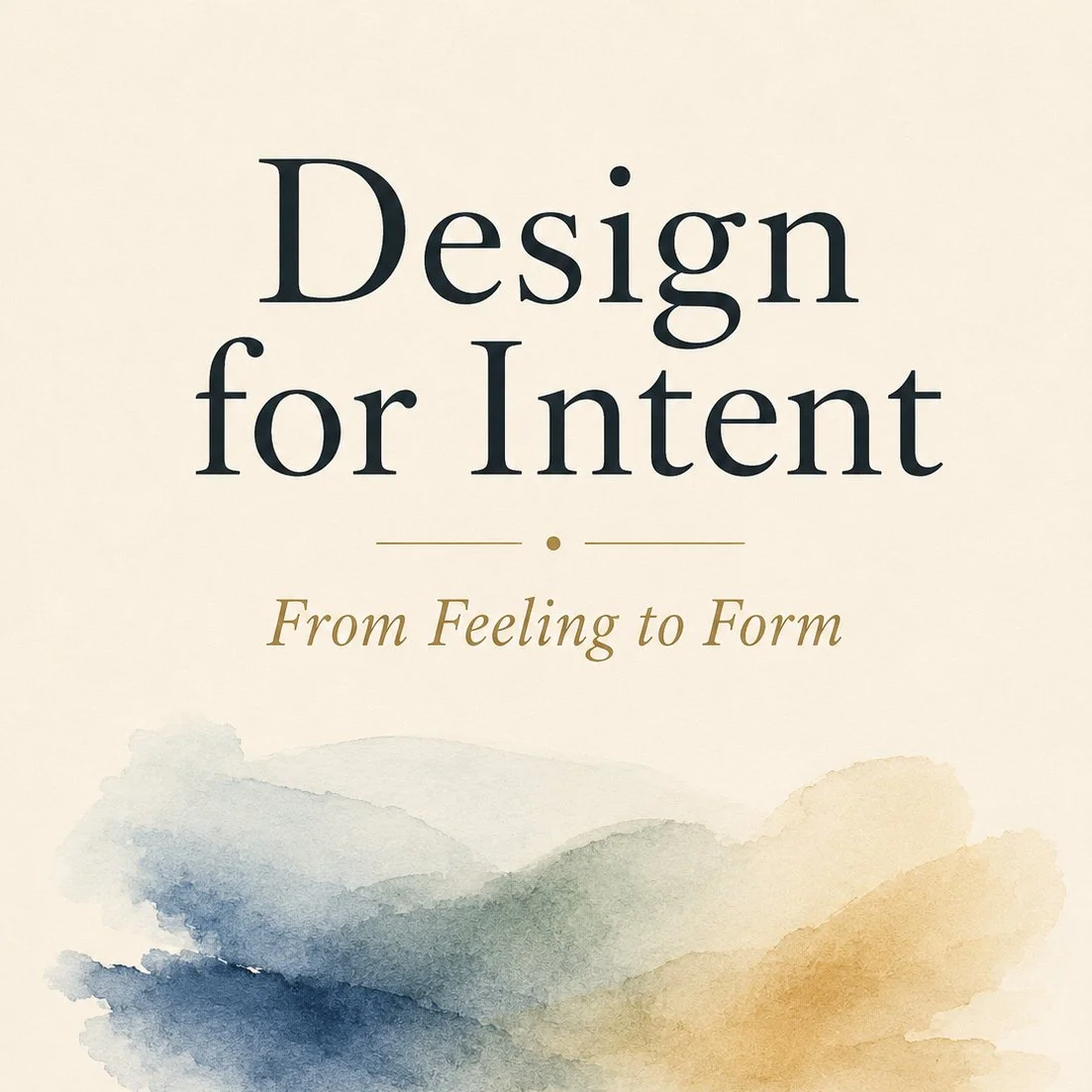
From Feeling to Form
A street corner is a subject. Arrival is an intent.
A house is a subject. Shelter, isolation, or an approaching storm might be the intent.
Most painters begin with the subject and hope the feeling appears. Design for Intent shows you how to reverse that process: name what the painting is truly about, then use composition, value, shape, edges, direction, and color to carry it.
The guide is built around one simple pattern:
If you’re painting _____, design for _____.
Inside are 34 feeling-to-design pairings for ideas such as farewell, awe, menace, calm, intimacy, joy, mystery, resilience, and more. Each pairing suggests specific design choices that can help the painting communicate what you intend.
You’ll also learn:
The difference between subject and intent
The five visual carriers of intent
How one scene can become three entirely different paintings
How to recognize when a painting has lost its direction
How to repair the structure before adding more detail
Use the guide before you begin to clarify your direction. Return to it when the painting starts to drift. It is a compass, not a formula—a practical way to make sure your design supports the reason you wanted to paint the scene in the first place.
The subject gives you material. Intent tells you what to do with it.
Digital PDF download. Seven pages.
Printing instructions: Print on standard 8.5 × 11-inch paper in portrait orientation. If printing double-sided, select “Flip on long edge.”
No physical product will be shipped.
From Feeling to Form
A street corner is a subject. Arrival is an intent.
A house is a subject. Shelter, isolation, or an approaching storm might be the intent.
Most painters begin with the subject and hope the feeling appears. Design for Intent shows you how to reverse that process: name what the painting is truly about, then use composition, value, shape, edges, direction, and color to carry it.
The guide is built around one simple pattern:
If you’re painting _____, design for _____.
Inside are 34 feeling-to-design pairings for ideas such as farewell, awe, menace, calm, intimacy, joy, mystery, resilience, and more. Each pairing suggests specific design choices that can help the painting communicate what you intend.
You’ll also learn:
The difference between subject and intent
The five visual carriers of intent
How one scene can become three entirely different paintings
How to recognize when a painting has lost its direction
How to repair the structure before adding more detail
Use the guide before you begin to clarify your direction. Return to it when the painting starts to drift. It is a compass, not a formula—a practical way to make sure your design supports the reason you wanted to paint the scene in the first place.
The subject gives you material. Intent tells you what to do with it.
Digital PDF download. Seven pages.
Printing instructions: Print on standard 8.5 × 11-inch paper in portrait orientation. If printing double-sided, select “Flip on long edge.”
No physical product will be shipped.